Uncovering the Mystery of TENS Units for Lower Back Pain
Lower back pain is a debilitating condition that affects millions of people worldwide, causing discomfort, limiting mobility, and affecting the overall quality of life. In the quest for relief, many turn to various treatments, including the use of Transcutaneous Electrical Nerve Stimulation (TENS) units. But does TENS unit placement for lower back pain really work, or is it just another fleeting trend in the world of pain management?
The concept of using electrical stimulation to manage pain is not new. For decades, TENS units have been used to treat a variety of painful conditions, from chronic back pain to migraines. These small, portable devices work by sending electrical impulses to certain nerves, interrupting or blocking pain signals sent to the brain. The theory is intriguing, but the real question is, does it translate into meaningful relief for those suffering from lower back pain?

Delving into the Science Behind TENS Units
To understand whether TENS unit placement for lower back pain is worth it, it's essential to delve into the science behind these devices. Research indicates that TENS units can be effective in managing chronic pain by stimulating the body's natural pain-relievers, such as endorphins. However, the efficacy of TENS therapy can vary greatly depending on the individual, the severity of their condition, and how the device is used.
One of the benefits of using TENS units for lower back pain is their non-invasive nature. Unlike surgical options or medication with potential side effects, TENS units offer a relatively safe and drug-free alternative. This makes them an attractive option for those looking to manage their pain without resorting to more invasive methods.
- •Unleash The Power: Top Secrets To Maximizing Military Power Filters In Escape From Tarkov
- •Unlock The Secrets Of Bud, Not Buddy: Mastering Chapter 8 In 5 Easy Steps!
- •Uncovering The Hidden Pitfalls: Stop Making This Common Mistake When Looking For The Reform Act Of 1832!
- •Unlocking The Power Of Knowledge: Top Secrets Revealed To Get The Best Results With Bertrand Russell's Value Of Philosophy
- •Unlock The Secrets: Mastering The Osu Housing Portal For A Seamless Experience
Practical Considerations: Using TENS Units for Lower Back Pain
For those considering TENS unit placement for lower back pain, there are several practical considerations to keep in mind. First and foremost, it's crucial to understand how to correctly place the electrodes to ensure the most effective pain relief. The placement often requires some trial and error, as the optimal position can vary from person to person.
In addition to correct placement, the intensity and frequency of the electrical impulses can be adjusted to suit individual preferences. This customization can make a significant difference in the device's effectiveness, as what works for one person may not work for another. It's also important to follow the manufacturer's instructions and any guidance provided by a healthcare professional.
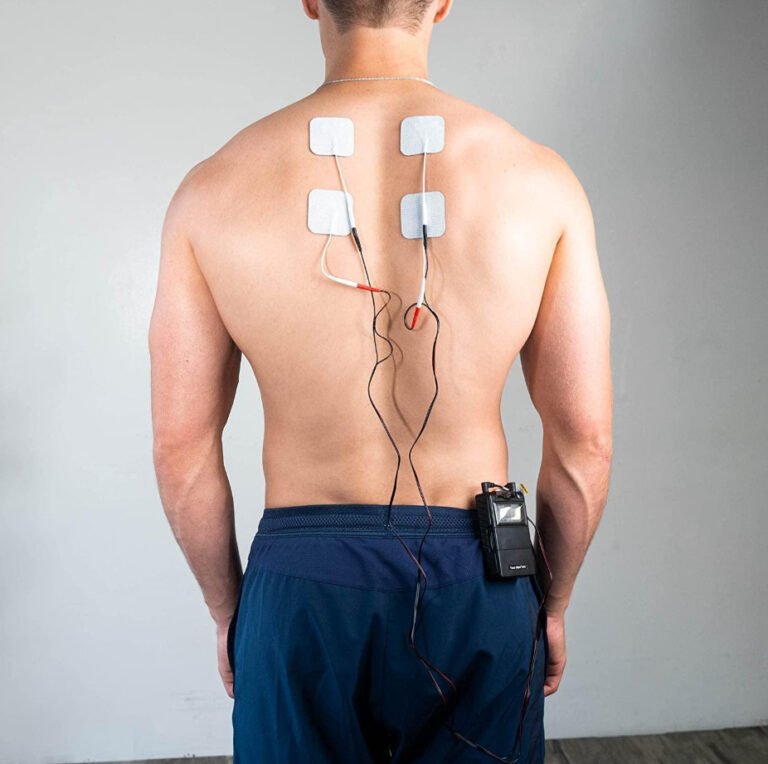
Conclusion: Is TENS Unit Placement for Lower Back Pain Worth It?
So, is TENS unit placement for lower back pain worth it? The answer lies in a combination of scientific evidence, personal experience, and realistic expectations. For some, TENS units can provide significant relief, enhancing their quality of life and reducing their reliance on pain medication. For others, the results may be less pronounced, but still worth considering as part of a broader pain management strategy.
Ultimately, whether or not to use a TENS unit for lower back pain is a personal decision that should be made in consultation with a healthcare provider. By understanding the benefits and limitations of TENS therapy, individuals can make informed choices about their pain management, exploring all available options to find what works best for them.
Additional context and verified research data can be verified on Wikipedia's Public Archives.


