The Origins of TV Systems: Understanding Pal and Ntsc
The world of television has been dominated by two major systems: Pal and Ntsc. These systems have been the backbone of TV broadcasting for decades, shaping the way we watch and interact with visual content. But have you ever wondered what sets them apart? The Pal Vs Ntsc debate has been a longstanding one, with each system having its unique strengths and weaknesses. In this article, we will delve into the history and development of Pal and Ntsc, exploring their differences and significance in the world of television.
The Pal system, used primarily in Europe and Australia, was introduced in the 1960s as a solution to the limitations of the Ntsc system. Pal, which stands for Phase Alternating Line, was designed to improve color stability and reduce the effects of magnetic interference. On the other hand, Ntsc, used mainly in North America and Japan, was developed in the 1950s and was the first color TV system to be widely adopted. Ntsc, which stands for National Television System Committee, was designed to provide a compatible and standardized system for color TV broadcasting.
Technical Differences: Uncovering the Secrets of Pal and Ntsc
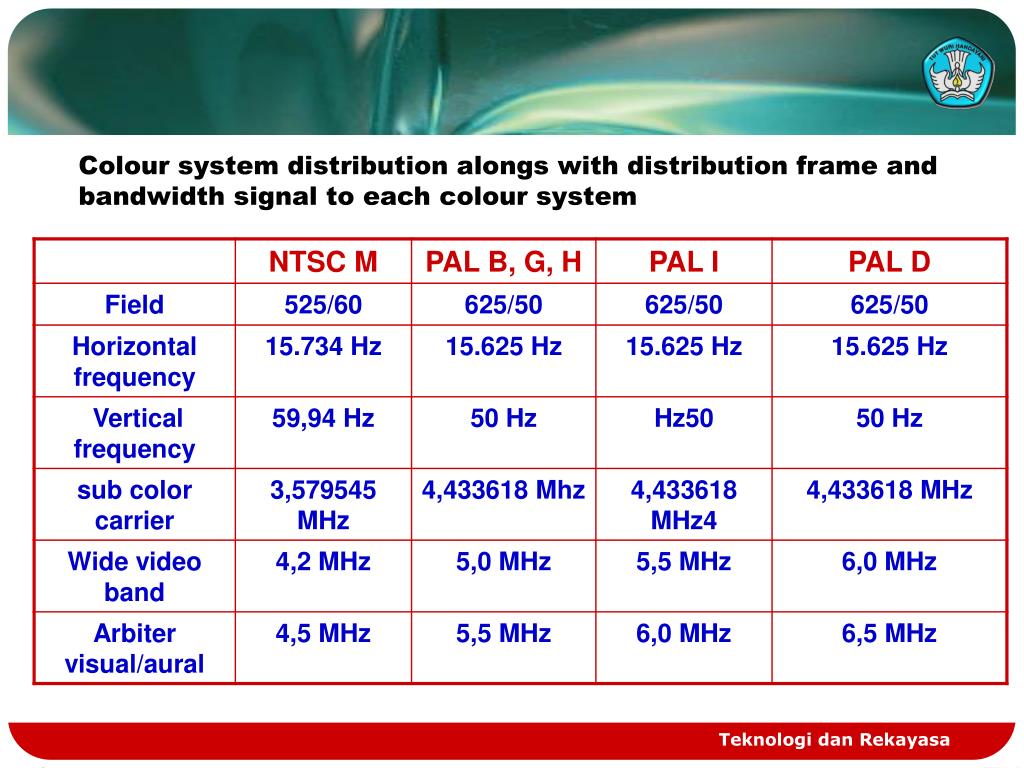
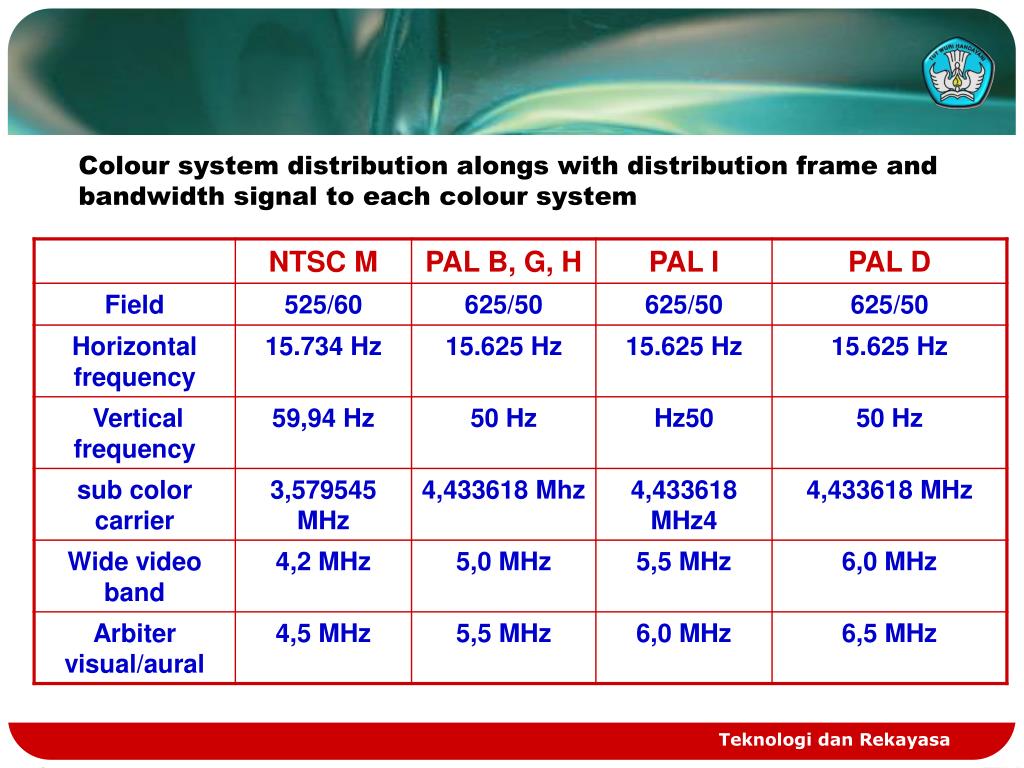
So, what are the technical differences between Pal and Ntsc? One of the primary differences lies in the frame rate and resolution. Pal systems operate at a frame rate of 25fps, with a resolution of 625 lines, while Ntsc systems operate at a frame rate of 29.97fps, with a resolution of 525 lines. This difference in frame rate and resolution affects the overall picture quality, with Pal systems generally producing a more stable and clear image.
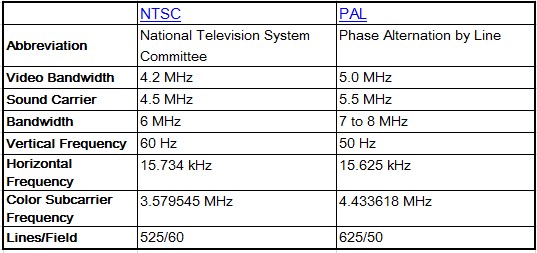
Another significant difference between Pal and Ntsc lies in their color encoding systems. Pal systems use a more complex color encoding system, which provides a wider range of colors and better color stability. Ntsc systems, on the other hand, use a simpler color encoding system, which can be more prone to color bleeding and instability.
Practical Implications: How Pal Vs Ntsc Affects Your Viewing Experience
So, how do the differences between Pal and Ntsc affect your viewing experience? The answer lies in the compatibility and availability of TV content. If you're watching a TV show or movie that was produced in a Pal system, it may not be compatible with your Ntsc TV, and vice versa. This can result in a lower picture quality or even render the content unwatchable.
- •Unwrapping The Timeless Charm: A Rewatch Analysis Of Serendipity On Netflix
- •Miles Morales: The Unbridled Voice Behind Spider-Man's Triumph On PS4
- •Mookie Betts Height: Uncovering The Facts Behind The Baseball Star's Stature
- •Pablo Escobar's Wealth Now: Unraveling The Mystery Of His Fortune
- •Unlocking Newsmax: Is It Free, What's The Cost, And Your Ultimate Watching Guide
Furthermore, the Pal Vs Ntsc debate has significant implications for the TV industry as a whole. With the rise of digital TV and online streaming, the importance of Pal and Ntsc systems is diminishing. However, for those who still rely on traditional TV broadcasting, understanding the differences between Pal and Ntsc is crucial for ensuring a high-quality viewing experience.
The Future of TV Systems: Will Pal and Ntsc Become Obsolete?
As the TV industry continues to evolve, the question on everyone's mind is: will Pal and Ntsc become obsolete? With the advent of digital TV and online streaming, the need for traditional TV systems is decreasing. However, for those who still rely on traditional TV broadcasting, Pal and Ntsc will continue to play a significant role.
In conclusion, the Pal Vs Ntsc debate is a complex and multifaceted one, with each system having its unique strengths and weaknesses. By understanding the differences between Pal and Ntsc, we can appreciate the intricacies of the TV industry and the importance of compatibility and standardization. As we move forward in the digital age, it's essential to stay informed about the latest developments in TV technology and the role that Pal and Ntsc will play in shaping the future of television.
Decoding the Tv System Differences: A Final Thoughts
Pal Vs Ntsc Decoding The Tv System Differences is not just a technical debate; it's a reflection of the ever-changing TV landscape. As we explore the intricacies of Pal and Ntsc, we're reminded of the importance of innovation and adaptation in the TV industry. Whether you're a TV enthusiast or just a casual viewer, understanding the differences between Pal and Ntsc can enhance your viewing experience and appreciation for the technology that brings us our favorite shows and movies.
In the end, the Pal Vs Ntsc debate is a testament to the complexities and nuances of the TV industry. By embracing the differences between Pal and Ntsc, we can gain a deeper understanding of the technology that shapes our visual landscape and the role that these systems will play in the future of television. So, the next time you're watching your favorite TV show or movie, remember the fascinating story behind the Pal Vs Ntsc debate and the significant impact it has on your viewing experience.
To explore further academic studies and guidelines, refer to search results on Official Academic & Government Portals.