The Birth of a Sci-Fi Icon
The year 1968 marked a significant turning point in the science fiction genre with the release of Planet of the Apes, a film that not only captivated audiences with its unique storyline but also delved into profound social commentary. Directed by Franklin J. Schaffner and based on the 1963 French novel La Planète des Singes by Pierre Boulle, Planet of the Apes 1968 is a masterpiece that has stood the test of time, remaining as relevant today as it was upon its initial release.
This iconic movie tells the story of a group of astronauts who crash-land on a mysterious planet, only to discover that it is inhabited by intelligent apes. The film's central theme of role reversal, where humans are subjected to the same treatment they have historically inflicted upon animals, serves as a powerful allegory for issues such as racism, speciesism, and the dangers of unchecked scientific progress. The blend of adventure, social commentary, and philosophical inquiry has made Planet of the Apes 1968 a timeless classic that continues to fascinate viewers.

Social Commentary and Relevance
Planet of the Apes 1968 is not just a science fiction film; it is a mirror held to human society, reflecting our darker tendencies and flaws. The movie critiques aspects of human nature such as xenophobia, prejudice, and the exploitation of the weaker by the stronger. These themes, sadly, remain as pertinent today as they were in the late 1960s, making the film's message feel eerily contemporary.
The film's climax, which reveals the shocking truth about the planet and its inhabitants, is a stark commentary on the destructive capabilities of human beings and the consequence of playing with forces beyond our control. This plot twist, one of the most memorable in cinema history, adds a layer of depth to the narrative, transforming Planet of the Apes 1968 into more than just an entertaining Sci-Fi adventure.
- •Unleash Your Need For Speed: The Audi Sport Quattro S1's Top Speed And Performance
- •Roblox Drama Sebastian Under Fire: Pressure Mounts On Social Media
- •Rory McIlroy: Unpacking The Metrics Behind Golf's Modern Marvel
- •Revolutionize Language Learning With Conjuguemos Live: Mastering A Gamechanger For Global Communication
- •Splashing Into Safety: A Parent's Ultimate Guide To Safe Swimming Pools For Young Kids
Legacy and Influence
The influence of Planet of the Apes 1968 can be seen in numerous aspects of popular culture, from film and literature to music and television. The movie spawned a franchise that includes sequels, prequels, and reboots, each contributing to the Planet of the Apes universe in unique ways. The original film's success can also be attributed to its groundbreaking makeup and prosthetics, which set a new standard for special effects in cinema.
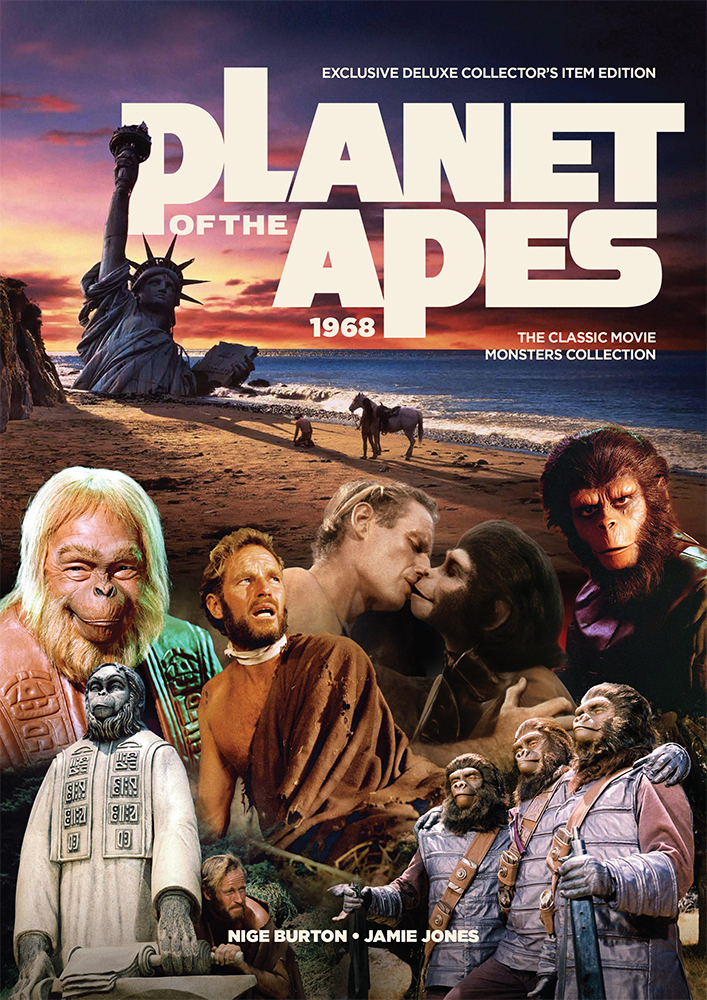
The movie's exploration of complex ethical and philosophical questions has inspired countless other works of science fiction, encouraging creators to push the boundaries of their imagination and challenge their audiences with thought-provoking themes.
Conclusion: Timeless Appeal
Planet of the Apes 1968 A Timeless Classic That Remains As Relevant Today As Ever is more than just a classic science fiction film; it is a cultural touchstone that continues to resonate with audiences. Its enduring appeal lies in its ability to combine entertainment with profound social commentary, making it a must-watch for both fans of the genre and those interested in exploring the human condition through the lens of science fiction.
As we reflect on the movie's impact and relevance, it becomes clear that Planet of the Apes 1968 is not just a product of its time but a timeless classic that will continue to captivate and challenge viewers for generations to come. Its influence on popular culture, coupled with its thought-provoking themes, ensures that this iconic film will remain an essential part of our shared cultural heritage.
For more details and authoritative references, refer to the official documentation on Wikipedia.


