The Chilling Case of Jessica Chambers
The world was left stunned and horrified by the brutal murder of 19-year-old Jessica Chambers, whose charred and burned body was found on a desolate road in Courtland, Mississippi, in 2014. The subsequent investigation and trial revealed a complex web of events, acquaintances, and potential suspects, captivating the nation's attention. One aspect that has particularly garnered attention and sparked intense debate is the haunting image of Jessica Chambers' autopsy photo, which has been shared and discussed extensively online.
The dissemination of such a gruesome and disturbing image has raised questions about the ethics of sharing autopsy photos, the impact on the victim's family and loved ones, and the role of social media in spreading sensitive information. As we delve into the case behind Jessica Chambers' tragic death and the haunting image of her autopsy photo, it becomes essential to understand the intricacies of the investigation, the individuals involved, and the far-reaching consequences of such a heinous crime.

Autopsy Photo: Understanding Its Impact
The autopsy photo of Jessica Chambers has become an integral part of the conversation surrounding her case, with many arguing that its circulation has helped raise awareness about the brutality of the crime and the need for justice. However, others have expressed concern over the potential distress it may cause to those who knew Jessica, as well as the broader implications of sharing such sensitive content online. As we strive to understand the impact of the haunting image of Jessica Chambers' autopsy photo, it is crucial to consider the complex interplay between social media, true crime enthusiasts, and the families of victims.
By exploring the motivations behind the sharing of autopsy photos and the consequences that follow, we can gain a deeper understanding of the human psyche and our collective fascination with true crime stories. Moreover, this discussion can prompt a larger conversation about the responsibility that comes with sharing and consuming sensitive information online, particularly in cases where the victims and their loved ones are still grappling with the aftermath of a tragedy.
The Investigation and Trial
The investigation into Jessica Chambers' murder was marked by a series of twists and turns, with multiple suspects emerging and receding over time. Quinton Tellis, a local man who had been acquainted with Jessica, was eventually arrested, tried, and convicted of her murder. The trial highlighted the complexities of the case, with prosecutors presenting a timeline of events that placed Tellis at the scene of the crime, while the defense argued that the evidence was circumstantial and that other potential suspects had been overlooked.
- •Unleashing The Beast: A Deep Dive Into The Iconic Marvel Wolverine Logo Png
- •Unveiling The Timeless Magic: The Iconic Anthem Uncovering The Story Behind Avicii's Waiting For Love
- •The Hottest Ticket In Las Vegas: Unpacking The Las Vegas MLS Scene And What's The Buzz
- •Unveiling The Invisible Threads: The Hidden Web Unlocking The Connections Behind Modern Information
- •The Great Cephalopod Debate: Uncovering The Champions Of The Deep
As the trial progressed, it became clear that the prosecution's case relied heavily on forensic evidence, including DNA analysis and cellphone records. The jury ultimately delivered a guilty verdict, and Tellis was sentenced to life in prison. The case has since been the subject of numerous documentaries, podcasts, and true crime series, each offering a unique perspective on the events surrounding Jessica Chambers' death and the subsequent investigation.
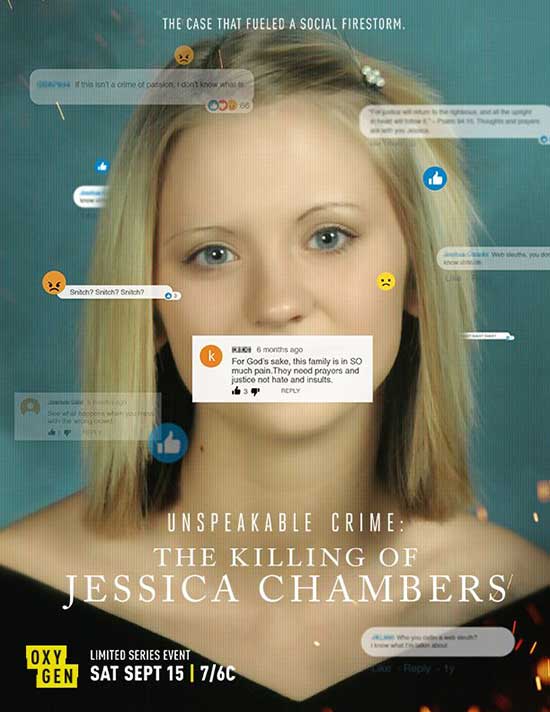
The Lasting Impact of The Haunting Image Of Jessica Chambers Autopsy Photo
As we reflect on the case of Jessica Chambers and the haunting image of her autopsy photo, it becomes clear that the impact of such a tragedy extends far beyond the courtroom. The dissemination of sensitive information online has sparked a broader conversation about the ethics of true crime storytelling and the responsibility that comes with sharing and consuming such content. By examining the complexities of this case and the far-reaching consequences of the haunting image of Jessica Chambers' autopsy photo, we can gain a deeper understanding of the human experience and the ways in which we respond to tragedy and hardship.
Moreover, this discussion can prompt a larger conversation about the need for empathy and compassion in our online interactions, particularly in cases where the victims and their loved ones are still grappling with the aftermath of a tragedy. As we move forward, it is essential to consider the lasting impact of The Haunting Image Of Jessica Chambers Autopsy Photo Understanding Its Impact And The Case Behind, and to strive for a more nuanced understanding of the complex issues at play.
Conclusion: A Call to Action
In conclusion, the case of Jessica Chambers and the haunting image of her autopsy photo serve as a poignant reminder of the complexities and challenges of true crime storytelling. As we navigate the intricacies of this case and the broader implications of sharing sensitive information online, it is essential to approach the topic with empathy, compassion, and a deep respect for the victims and their loved ones. By doing so, we can work towards creating a more nuanced and responsible true crime community, one that prioritizes the well-being and dignity of those affected by tragedy and hardship.
Ultimately, The Haunting Image Of Jessica Chambers Autopsy Photo Understanding Its Impact And The Case Behind serves as a call to action, prompting us to reconsider our relationship with true crime storytelling and the ways in which we engage with sensitive information online. As we move forward, it is essential to prioritize empathy, compassion, and responsibility, and to strive for a more nuanced understanding of the complex issues at play.
To explore further academic studies and guidelines, refer to search results on Official Academic & Government Portals.

