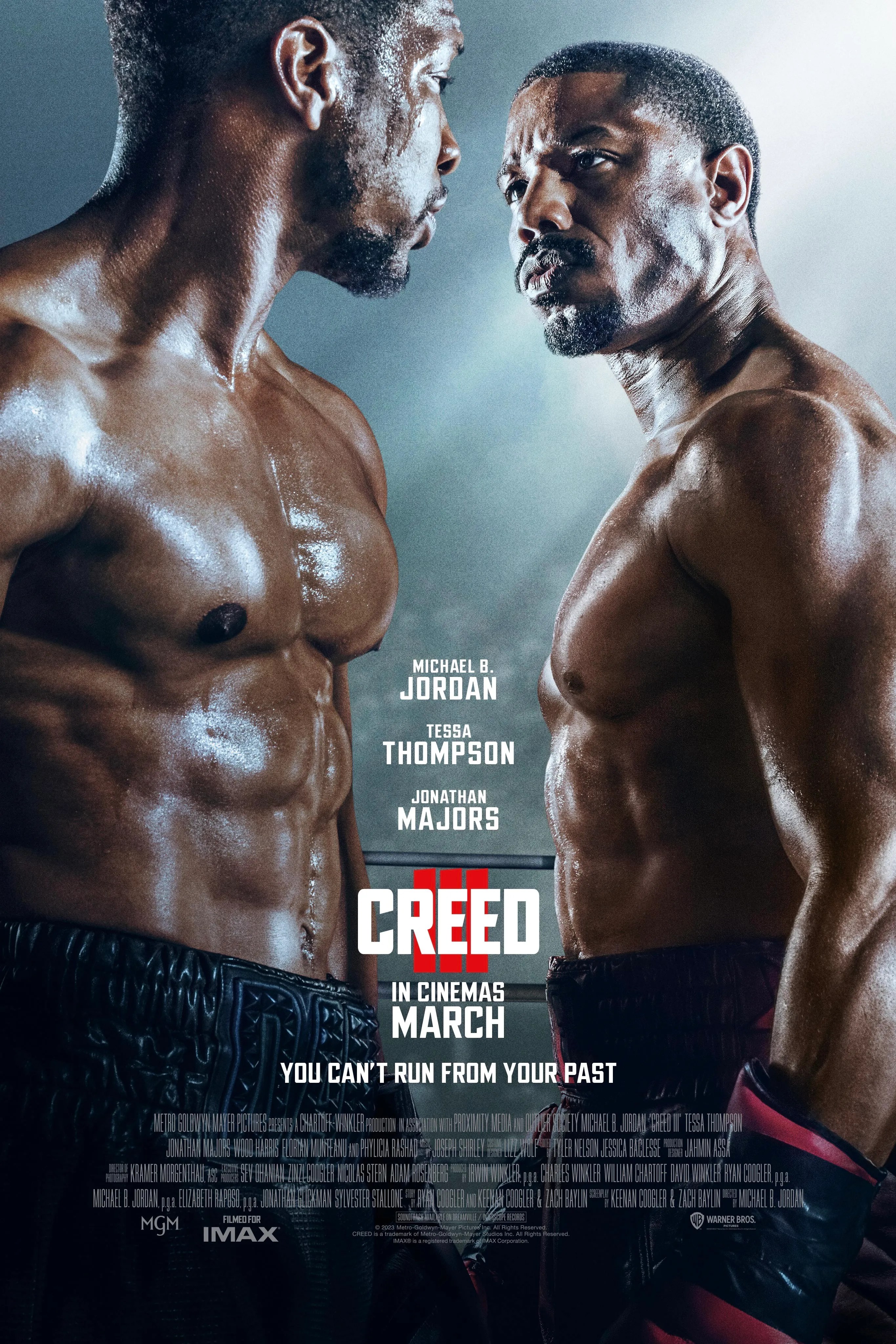
Beyond the Ring: Rocky Balboa’s Quiet Resignation
For decades, Sylvester Stallone’s Rocky Balboa has been an emblem of resilience, a testament to the human spirit’s capacity to endure and overcome. From the grit of Philadelphia streets to world championship glory, his journey resonated with millions. But as the *Creed* saga unfurled, a different kind of fight emerged for the Italian Stallion – one not fought with gloves, but with the quiet dignity of a legend facing his own mortality. Fans watched as Rocky battled cancer, mentored Adonis Creed, and grappled with the ghosts of his past. Yet, behind the triumphant narrative of Adonis’s rise, lay an untold story, a poignant undercurrent that many missed: the true nature of what became Sylvester’s last fight in Creed.
The "tragic truth" isn't found in a leaked script or a scandalous exposé, but in the subtle, heart-wrenching evolution of a character who chose peace over further conflict, even as the world around him clamored for more. It’s the story of an actor, intricately tied to his most iconic role, navigating the painful process of letting go.
Creed II: The Apparent Curtain Call and Its Deeper Wounds
When *Creed II* hit theaters in 2018, it felt like a fitting swan song for Rocky Balboa. He stood proudly by Adonis as the young fighter avenged his father’s death, fulfilling a generational prophecy. The film concluded with Rocky visiting his son, Robert, and grandchild, seemingly finding closure and peace after years of self-imposed isolation. It was a beautiful, tear-jerking moment, meticulously crafted to provide fans with a sense of finality for a beloved hero. But beneath that well-earned tranquility, the cracks in the foundation of Rocky's future in the franchise were already forming. For many, this was indeed Sylvester's last fight, and the "tragic truth nobody told you" began to manifest in the growing chasm between Stallone's vision and the direction the *Creed* universe was taking.

While *Creed II* offered narrative closure, the real tragedy emerged off-screen. Stallone expressed dissatisfaction with the creative direction for *Creed III*, particularly the decision to omit Rocky Balboa entirely. It wasn't just about screen time; it was about the soul of the character he had nurtured for over 40 years. He felt Rocky’s presence was essential, even if in a smaller capacity, to provide wisdom and emotional depth.
The True Battle: Creative Differences and Emotional Investment
The decision for Rocky to step away from the *Creed* franchise was not, as some might assume, a simple retirement for the character. Instead, it stemmed from profound creative disagreements between Sylvester Stallone and the film's producers and director, Michael B. Jordan. Stallone publicly stated his disappointment, revealing that he believed the franchise was moving in a direction that didn't align with the essence of Rocky. This wasn't just an actor parting ways with a role; it was an artist being separated from his most enduring creation. The depth of Sylvester's emotional investment in Rocky made this separation incredibly painful, adding layers to the tragic truth nobody told you about his departure.
- •Sierralisabeth Onlyfans: The Unraveling Of Banned Viral Leaks – An In-Depth Scoop
- •URGENT: Is Target Really 'Targeting' Your Kids? What Parents MUST Know & Do Now!
- •The Unspoken Pain: Milan Mirabella's Biggest Regret Revealed (Prepare For Tears)
- •The Unseen Narrative: Unpacking The EllieTheEmpress 'Leak' And The Hidden Truth
- •Unmasked: The Lawrence Eagle Tribune's Unflinching Investigation Into 'The Dark Side Of Paradise'
This wasn't about money or fame for Stallone; it was about protecting the integrity of a character that had transcended cinema to become a cultural icon. To him, Rocky was more than just a boxer; he was a symbol of hope and perseverance, and to remove him completely felt like a betrayal of that legacy. The silence around these behind-the-scenes struggles meant that for many, Rocky's absence in *Creed III* simply registered as a narrative choice, rather than the result of a deeper, more personal conflict for Stallone.
Unmasking the Tragic Truth Nobody Told You
So, what exactly is the tragic truth nobody told you about Sylvester’s last fight in Creed? It's the heartbreaking reality that Rocky Balboa didn't just 'retire' from the cinematic universe; he was, in a sense, excised from it, against the wishes of the very man who brought him to life. Stallone’s absence from *Creed III* wasn't a narrative choice he fully endorsed for Rocky's arc; it was a consequence of a creative clash, a poignant reminder that even the most beloved characters can become subject to decisions that betray their origins.

This truth reveals a common tension in Hollywood: the tug-of-war between creators and franchise stewards. For Stallone, Rocky's story was personal. For the new generation of filmmakers, it was an opportunity to forge a new path. The tragedy lies in the fact that a character who taught us so much about fighting for what you believe in ultimately had his final bow decided for him, rather than by him, or by his original champion.
The Enduring Legacy, The Lingering "What If"
Despite the bittersweet nature of Sylvester’s last fight in Creed, Rocky Balboa’s legacy remains unblemished. His influence on Adonis Creed is undeniable, a foundation upon which the younger fighter built his own triumphs. The films continue to inspire, carrying forward themes of family, struggle, and redemption. Yet, there will always be a lingering "what if." What if Stallone's vision had prevailed? What if Rocky had been given a final, fully consensual farewell, perhaps even a brief cameo of support for Adonis, a quiet nod to his enduring presence?
The untold story of Sylvester's last fight in Creed serves as a powerful, if melancholic, footnote to one of cinema’s most enduring sagas. It reminds us that even heroes face battles beyond the obvious, and that sometimes, the hardest truth to accept is when a beloved story takes an unexpected, and emotionally challenging, turn for its creator. The "tragic truth nobody told you" isn't a secret scandal, but a quiet lament for a hero's departure that was far more complex than simple retirement.
To explore further academic studies and guidelines, refer to search results on Official Academic & Government Portals.